

The ANTON Guide to Natural Diamond Colours
Diamond colour, at its heart, is a study of light. In natural diamonds, colour reflects the presence or absence of warmth within the stone — a nuance that shapes the character, brilliance and impression of your engagement ring.
Step into the world of diamond colour and discover the right one that speaks to your vision. Here, you’ll find everything required to understand the colour scale and choose the grade that feels right and reflects the person who will wear it.
What is diamond colour?
It’s important not to confuse colour with coloured diamonds. Diamond colour is one of the famed 4 C’s used by the Gemological Institute of America (GIA) to grade diamonds. The closer to being “colourless” a diamond is, the rarer it is. Some might contain a slightly yellow tint or a ‘fancy’ colour like red, pink or blue.
Understanding the Diamond Colour Scale
The GIA scale grades diamonds from D to Z, moving from colourless to pale yellow.
- D–F: Rare, icy, luminous; the purest expression of white light
- G–J: Near-colourless; beautifully balanced and visually bright once set
- K–M: Faint warmth; flattering in yellow or rose gold
The diamond is graded loose, under controlled lighting, beside master stones and under white paper. This process allows for precision and accuracy long before the stone becomes part of a ring. When the colour is determined, it is added to the diamond’s report, which also outlines its cut, clarity, carat and any other details.
Colourless Diamonds (D–F)
D, E and F stones appear crisp and exceptionally bright. Their lack of noticeable colour lets light move freely, making them a favourite for platinum and white gold settings. These grades are the rarest in natural diamonds, yet the differences between them are subtle even to trained gemologists.
Choose this range if you want a diamond that feels contemporary, radiant and unmistakably clear.
Near-Colourless Diamonds (G–J)
Near-colourless diamonds often appear white once set, especially in warmer metals. This range delivers brilliance without the premium of colourless grades, ideal for those who value size or cut more than absolute whiteness.
Choose this range if you want visual brightness and refinement with greater flexibility for carat and design.
Does shape matter when it comes to colour grading?
Yes, cuts can reveal diamond colour differently:
- Round brilliant hides warmth best
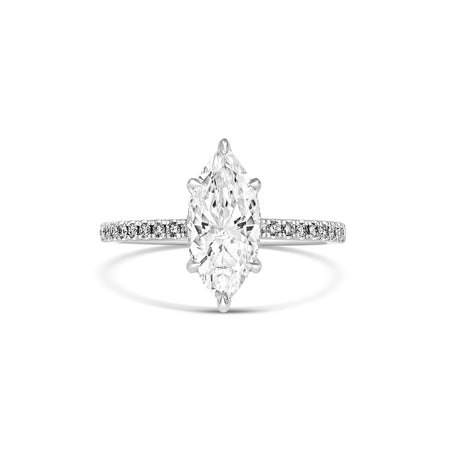
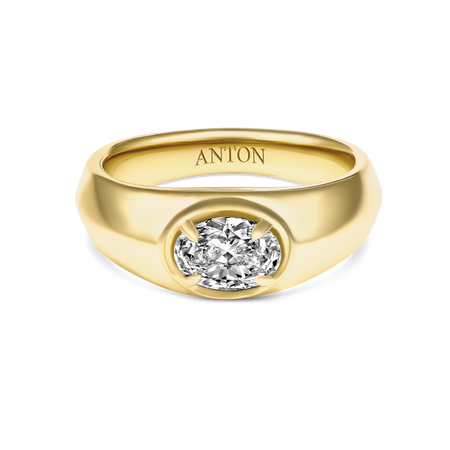
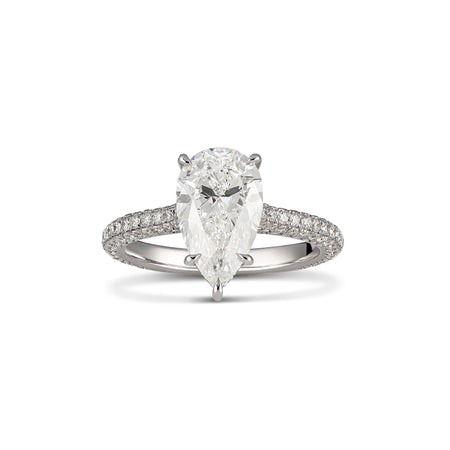
- Oval, pear and marquise show slightly more colour along the tips
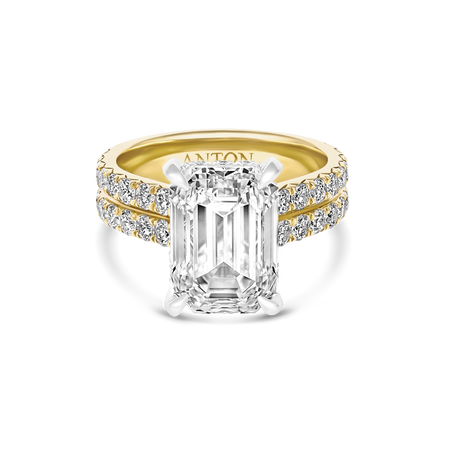
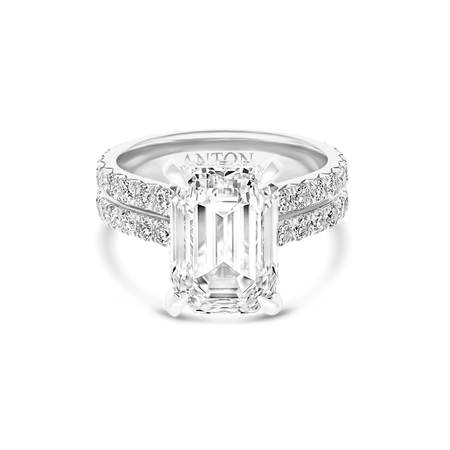
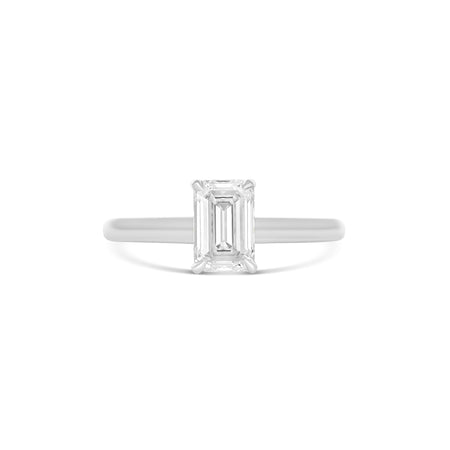
- Emerald and Asscher reveal every nuance due to their open facets
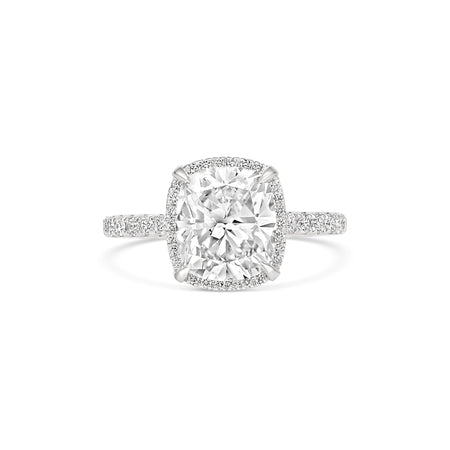
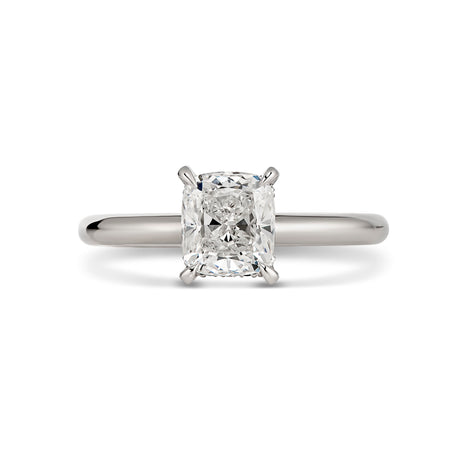
- Cushion sits in the middle with a soft and glowing look
How do I choose the best diamond colour?
Natural diamonds hold intrinsic rarity and long-term value that many couples prefer for milestone jewellery. Each natural diamond carries a history that cannot be replicated — and this is often felt most clearly when examining subtle details like colour.
Your perfect diamond colour isn’t about chasing the highest grade. It’s about selecting the tone that reflects your style, your metal choice and the way you want the ring to feel.
- Choose D–F if: You want exceptional purity and to invest in a rare natural diamond.
- Choose G–H if: You want a bright, balanced look that feels refined and timeless.
- Choose I–J if: You want warmth that enhances gold tones and allows for a larger carat.
Discover Engagement


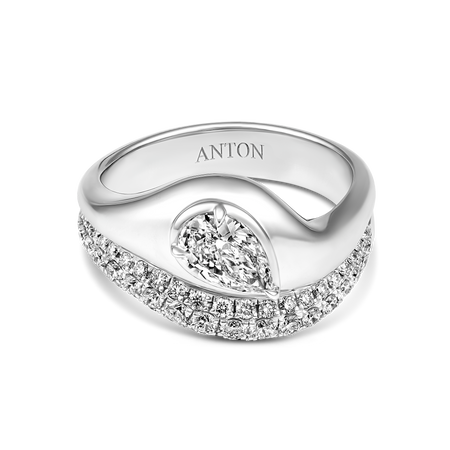
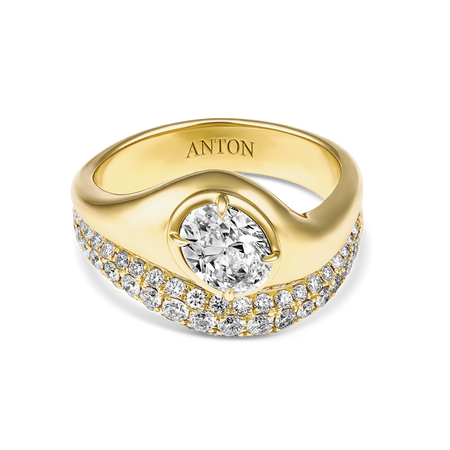


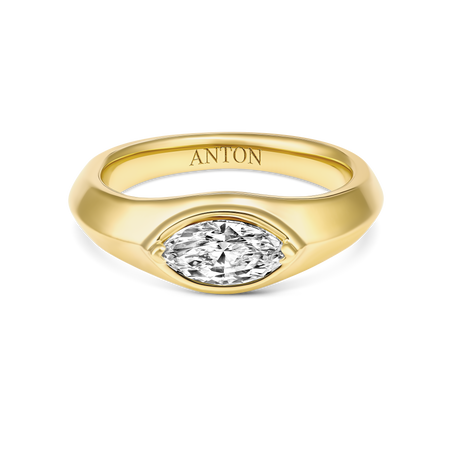
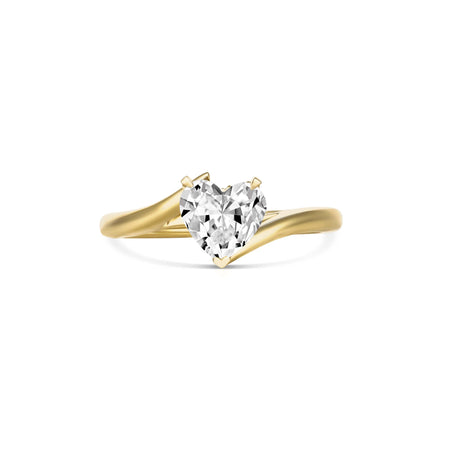
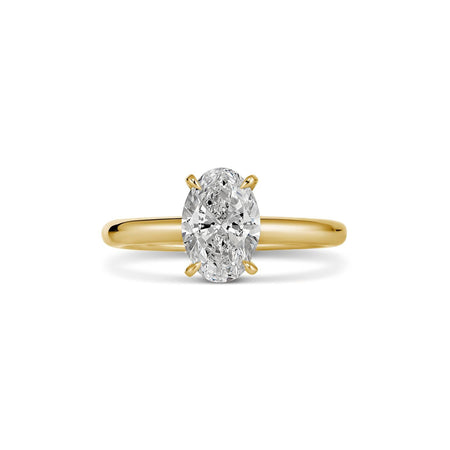
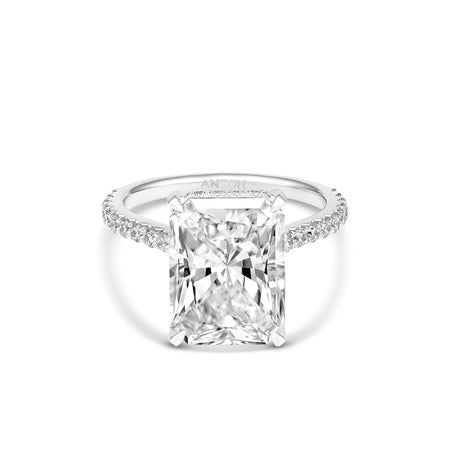
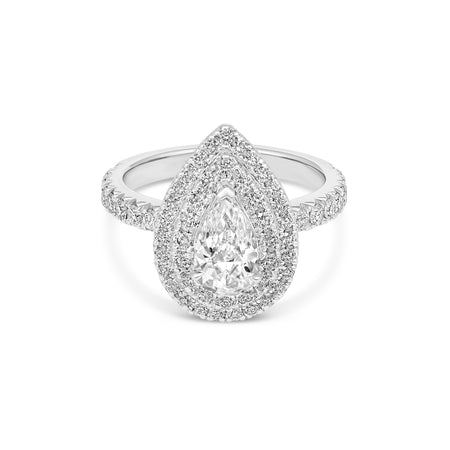
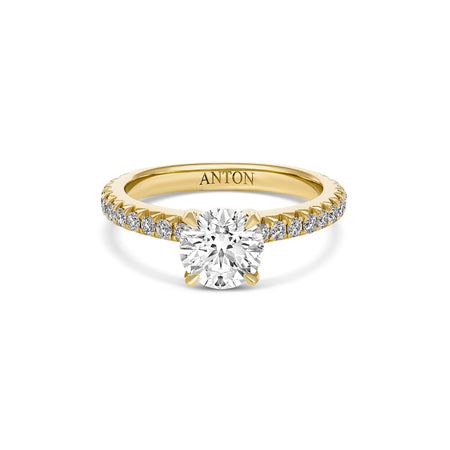
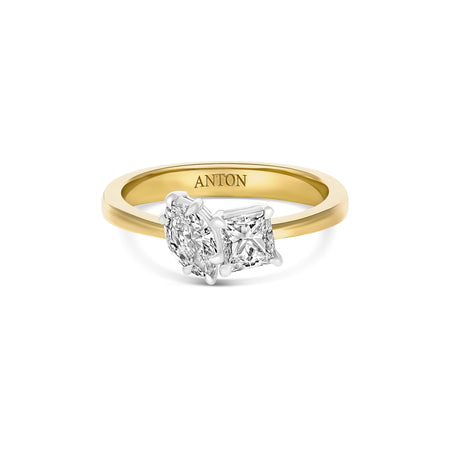
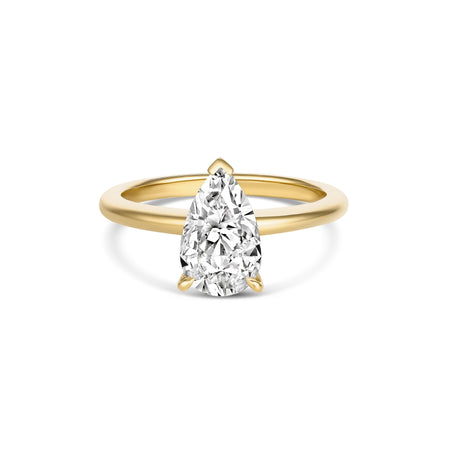
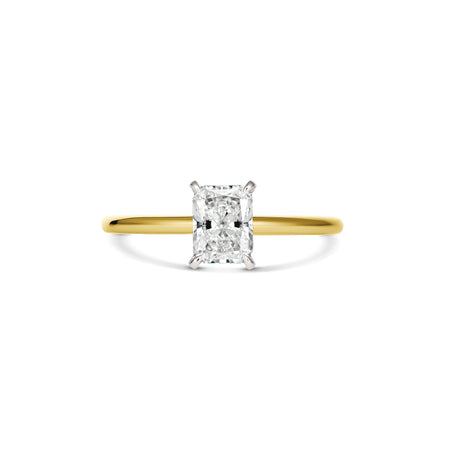
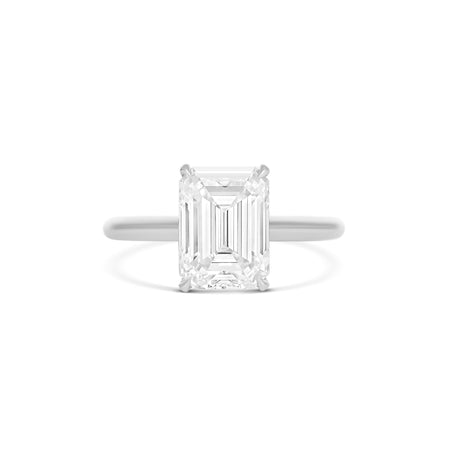
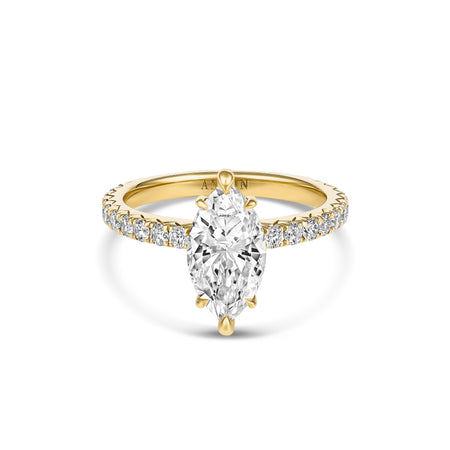
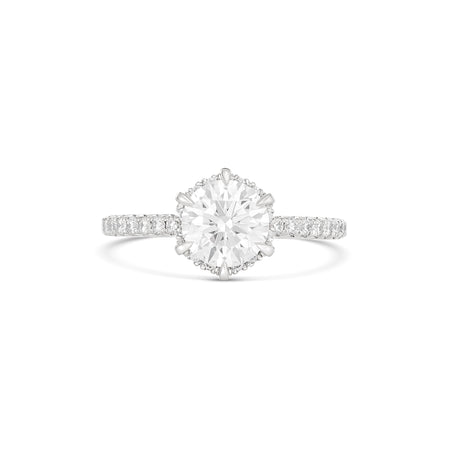
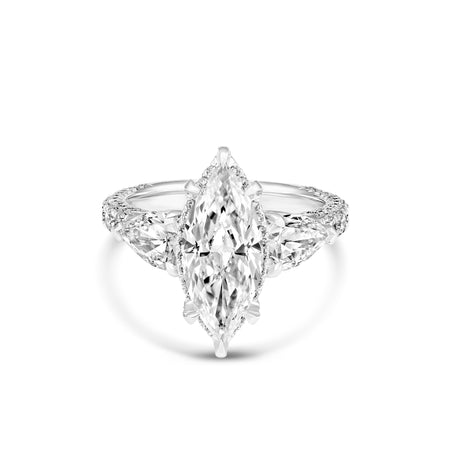
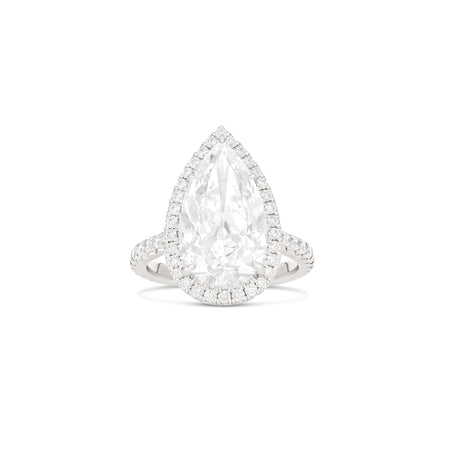
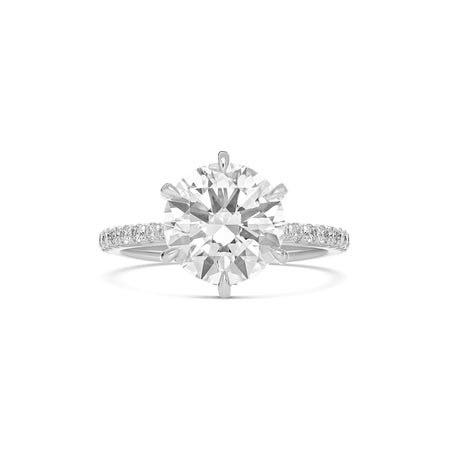
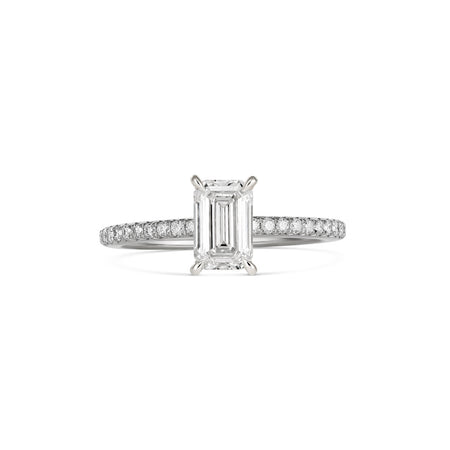
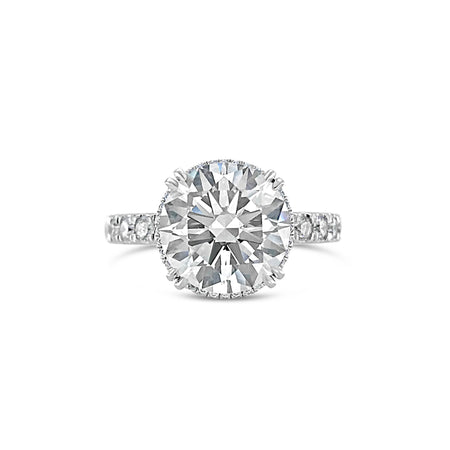
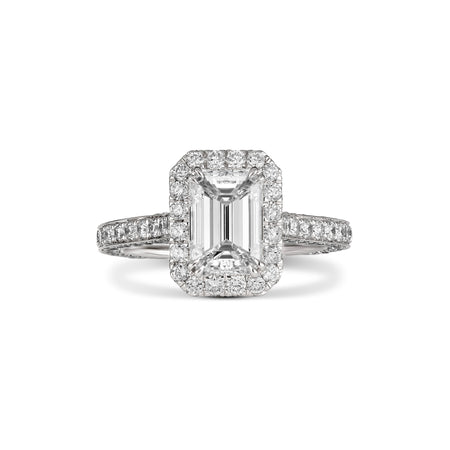
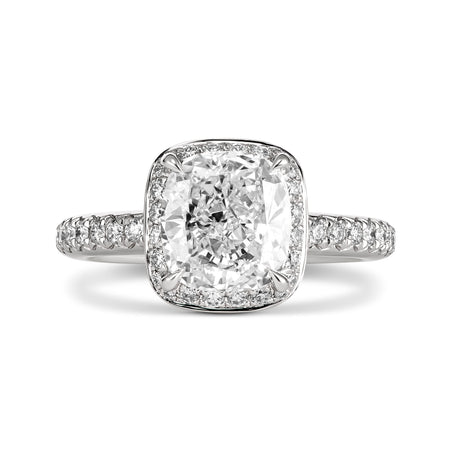
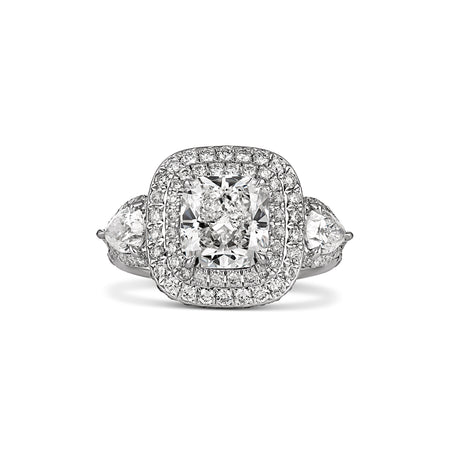
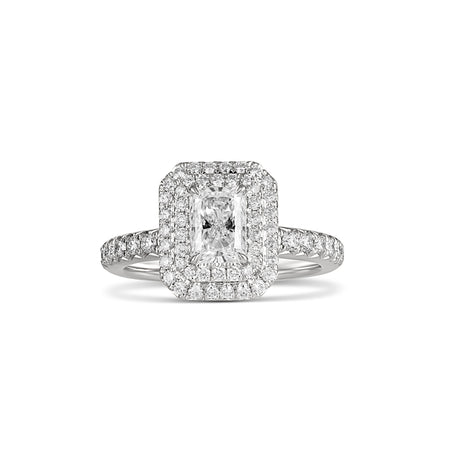
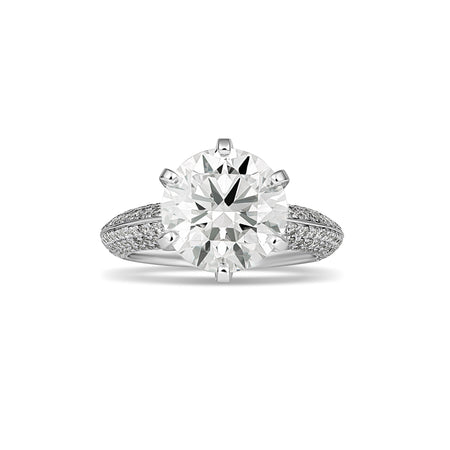
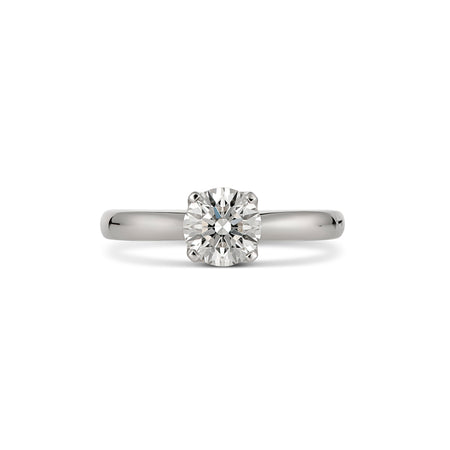
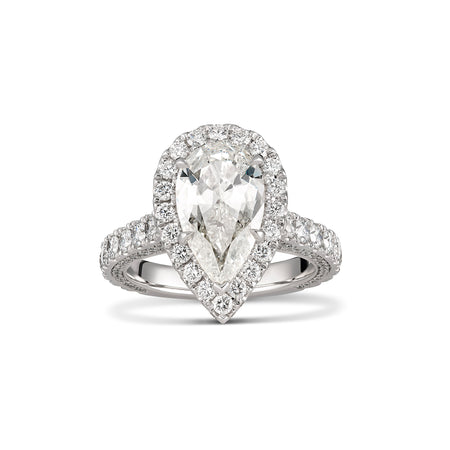
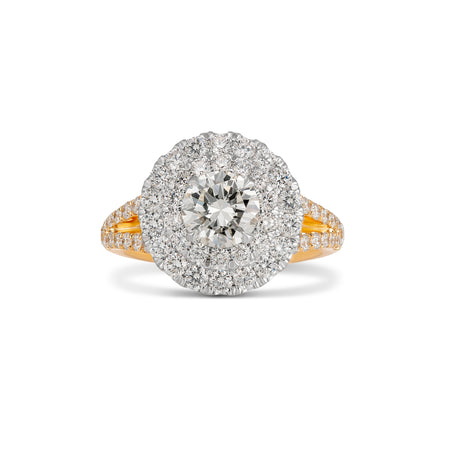
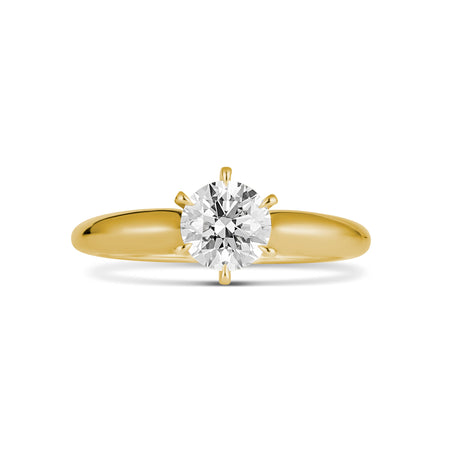
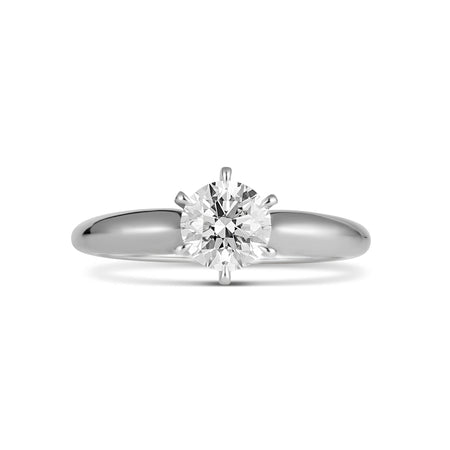
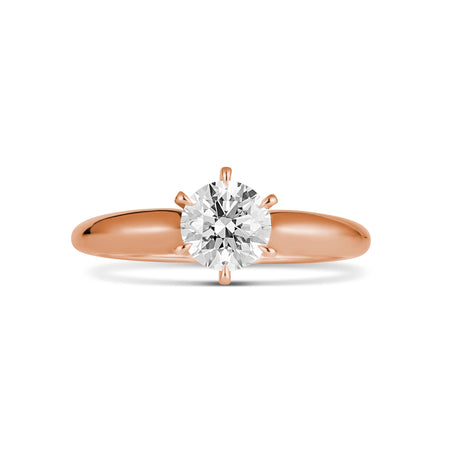
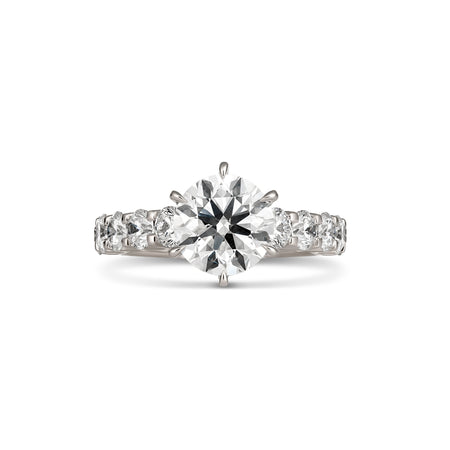
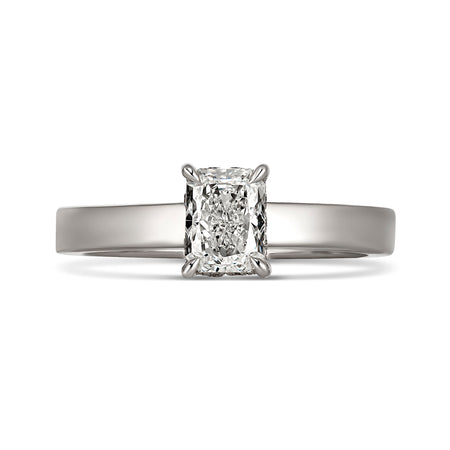
Find your ideal expression at ANTON
Diamond colour comes alive when seen in movement. At ANTON’s Chadstone boutique, our specialists guide you through how each grade interacts with the cut, metal and light.
We’ll help you compare natural diamonds side-by-side so you can discover the one that feels like yours. Book a private consultation to explore the world of natural diamonds and create a ring defined by light, rarity and the emotion that only true craftsmanship can hold.
FAQs:
What is the most common diamond colour?
The most common diamond colour on the GIA scale is near-colourless, particularly grades G, H, I and J. These diamonds make up a large portion of what’s available on the market. They offer an excellent balance of brightness, beauty and value, often appearing white once set, especially in yellow or rose gold. For natural diamonds, this range is a popular sweet spot for engagement rings.
Which is better to prioritise, clarity or colour?
There’s no universal rule, but for most, prioritising colour provides the bigger visual impact. Here’s why:
- Slight differences in clarity are difficult to see with the naked eye, especially in grades VS2, SI1 and sometimes SI2.
- Colour, however, is more noticeable face-up, especially in larger carat sizes or in shapes like emerald, pear or oval that reveal more body colour.
Choose a clarity grade that is eye-clean, then invest the remainder of your budget into achieving a colour that complements the metal and diamond shape.
What is the rarest natural diamond colour?
Within white diamonds, D is considered the top colour grade. D, along with E and F, sits in the “colourless” category, meaning the diamond shows virtually no visible tint. Fancy coloured diamonds follow an entirely separate grading system. In this grading system, the rarest natural diamond colour is red. In fact, pure red diamonds are so scarce that only a handful have ever been graded by major laboratories.
Does metal setting influence colour?
Colour interacts with craftsmanship, so it’s important to take your metal choice into account.
Platinum or white gold intensifies brightness, making them great for colourless diamonds. These metals best reflect warm light, allowing the diamond to shine brightly with every wear.
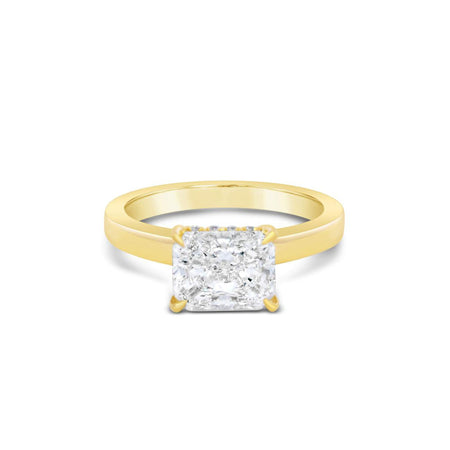
Yellow or rose gold invites a gentle glow, making G–J diamonds appear even whiter and allowing K–M grades to feel intentional and romantic.