

The 4 C's of Diamonds
Our ANTON natural diamonds are hand-selected for their magnificent qualities of brilliance, fire and scintillation. Sourced from all over the world, our talented team of gemologists and artisans carefully match each natural diamond to its unique design, creating the most captivating pieces that can only be ANTON.
Our ANTON signature pieces are issued with a report from the Gemological Institute of America (GIA), the leading organisation in setting the standards for the quality of diamonds. This report outlines the diamond’s characteristics in relation to four criteria. This is known as the 4Cs.
CUT
Starting with the most well-known of the 4Cs, Cut is probably the most complex to analyse. The Cut takes into account the quality of the cutting technique and the ways in which a natural diamond interacts with light.
This includes brightness (the white light), fire (the way the light scatters into colours of the rainbow) and scintillation (the amount of sparkle). Cut is often confused with shape (such as round, square, oval, pear, etc); however, you will only hear of Cut when talking about round brilliant cut diamonds.
Fancy cut diamonds, such as oval, pear, and others, cannot be judged in this way, as they are truly unique. Cut is measured across five ratings from Excellent to Poor.
COLOUR
This guiding scale refers to how pure the colour is. The scale starts at D to represent the finest of white and ends in Z for a natural diamond colour that has a deep body colour or tint. The presence of colour is subtle, so it's important to understand the scale.
Natural diamonds rated D-H are considered the best in quality, and beyond H, you may see a slight tint of yellow or brown in the diamond. Beyond Z, the diamond is considered 'Fancy' and has a deep intensity of colour ranging from yellow, apricot, orange, mauve, blue, green and pink.
CARAT
Carat is often referred to as the size of a natural diamond; however, it actually refers to the diamond's weight. Every 0.2 of a gram is equivalent to 1 carat. Now, while you might think that the bigger the carat, the more expensive the diamond, this is not always the case. That's why it is important to understand all of the elements that make up the quality and value of a diamond.
CLARITY
Diamond Clarity simply refers to the internal and external cleanliness of a natural diamond. While it is very difficult to see with the naked eye, diamonds have inclusions or blemishes that may impact the way they reflect the light. There are 6 categories used to measure Clarity (some of which are divided across numerous gradings). While no diamond can be considered perfect, if you come across a 'flawless' diamond, you will know you are in the presence of greatness! Flawless is the finest clarity grade there is.
What are the most popular diamond shapes?
Round diamonds are the most iconic, loved for their exceptional sparkle and perfectly balanced symmetry. With more than 56 facets engineered to maximise brilliance, the round brilliant reflects light in a way that feels both classic and captivating.
If you prefer something with individuality, fancy shapes offer striking alternatives:
- Oval diamonds elongate the finger and create soft, fluid brilliance
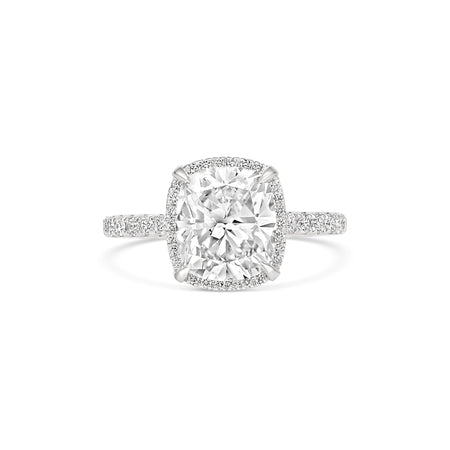
- Cushion cuts have rounded edges, so they offer a softer presence
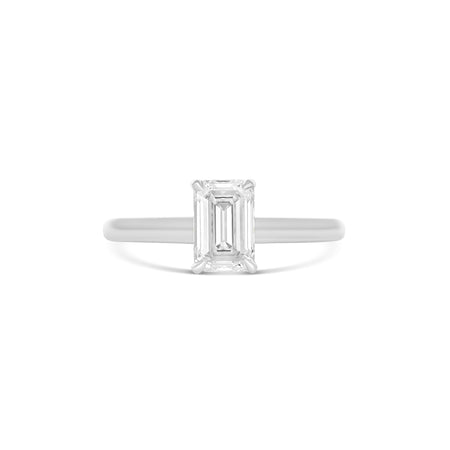
- Emerald cuts highlight precision and clarity, showing off their sleek, architectural style
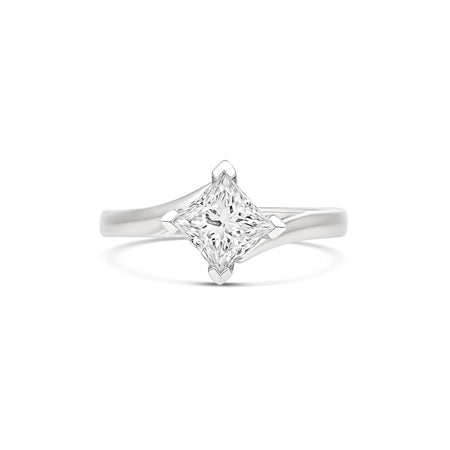
- Princess cuts bring sharp, modern lines with impressive sparkle
- Pear-shaped diamonds are both soft and dramatic with their elegant teardrop silhouette
Ultimately, the best shape is the one that aligns with your personal style. Whether you’re drawn to radiant brilliance, structured geometry or something uniquely expressive, the right diamond is the one that feels unmistakably like you.
Discover Engagement

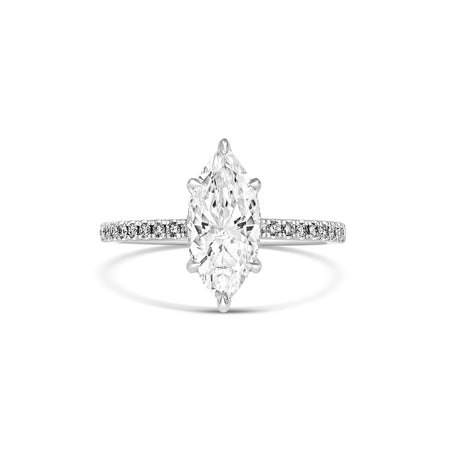
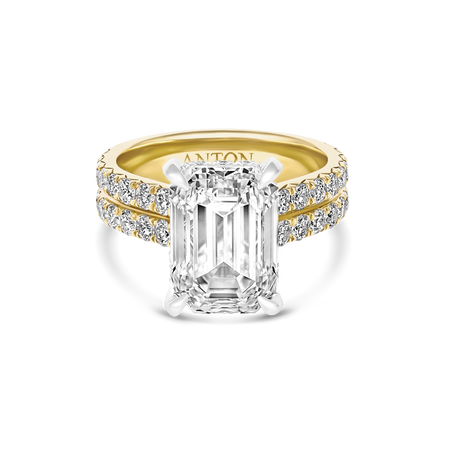
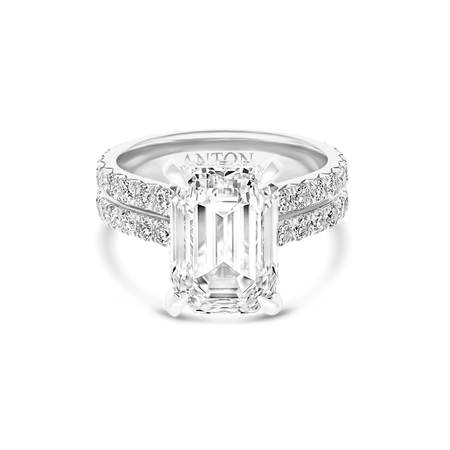

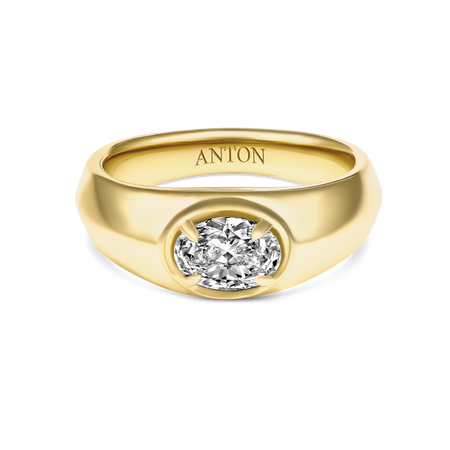
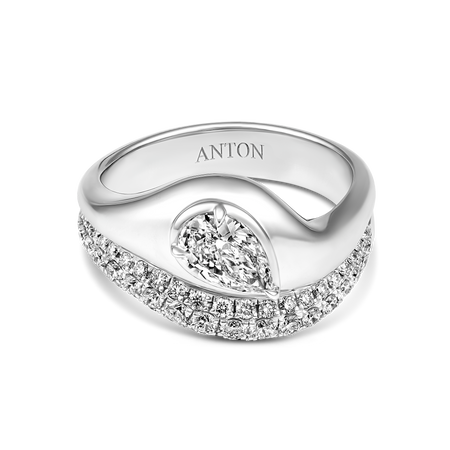
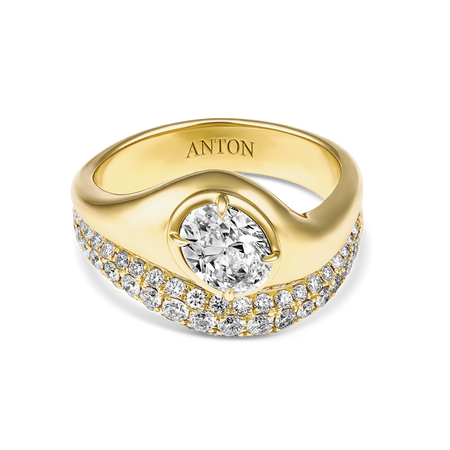


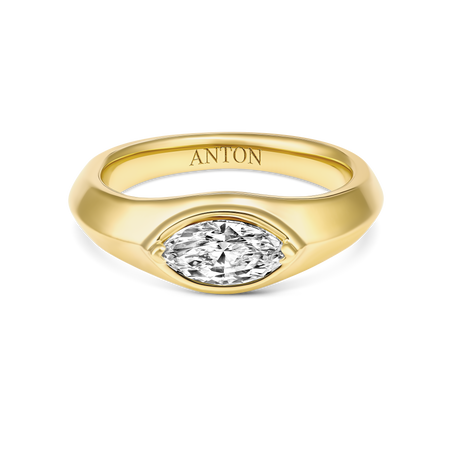
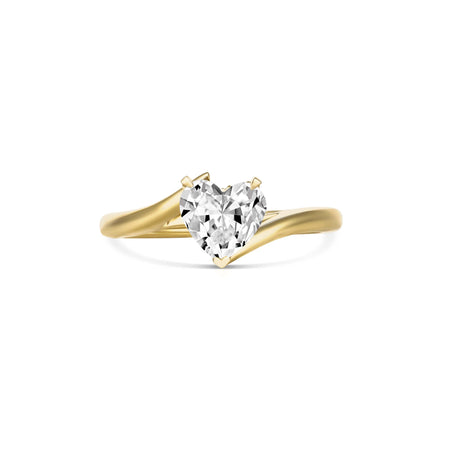
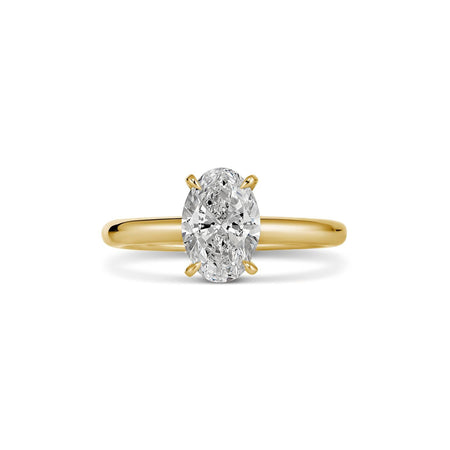
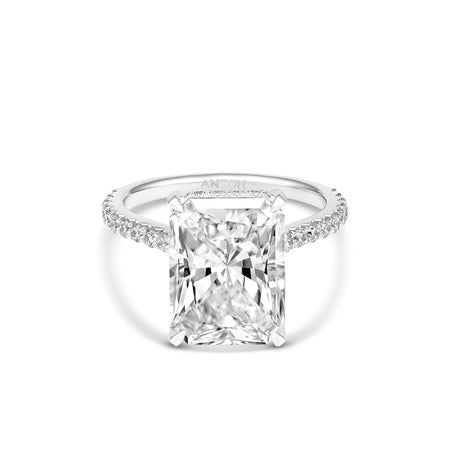
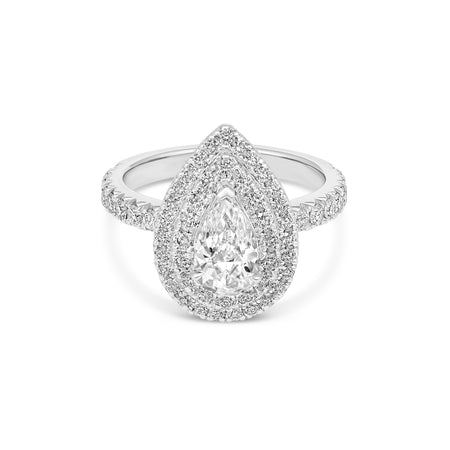
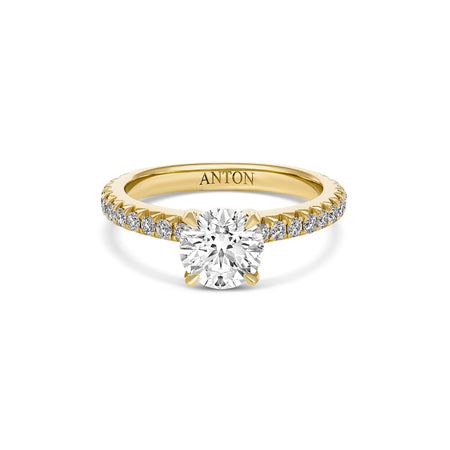
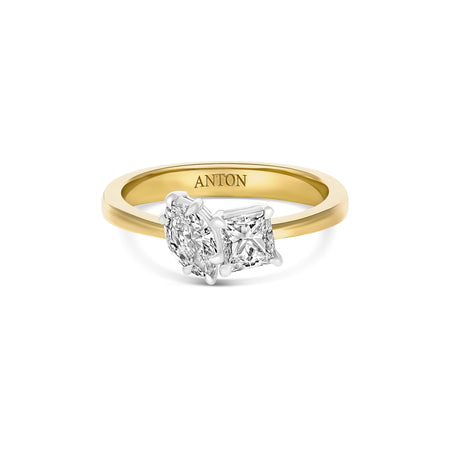
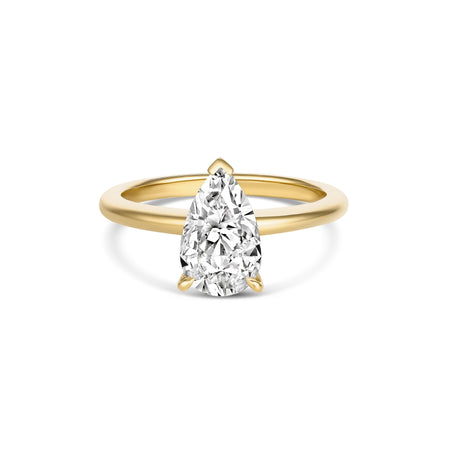
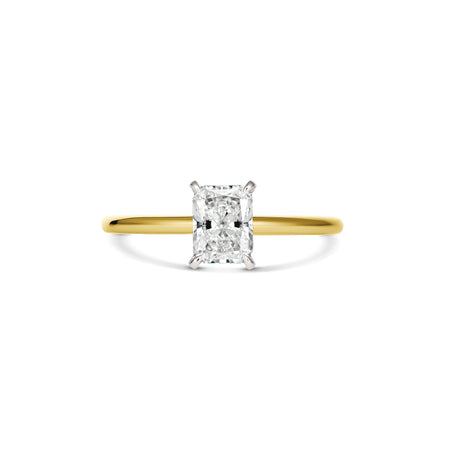
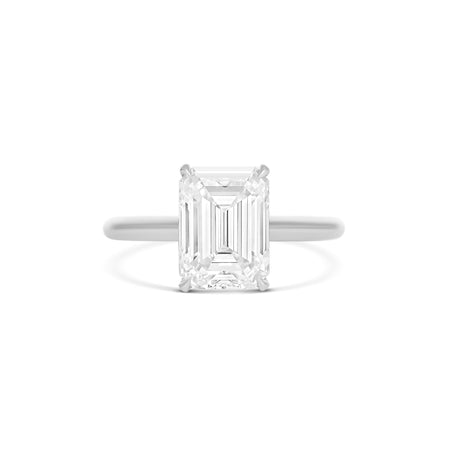
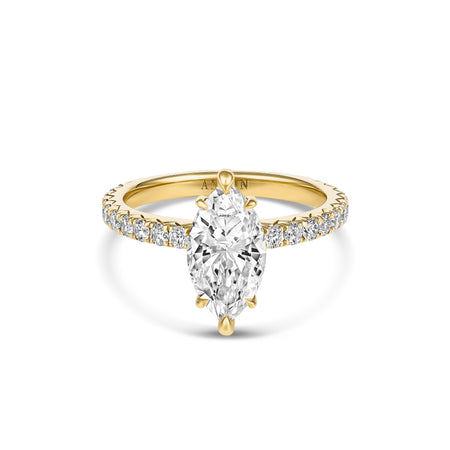
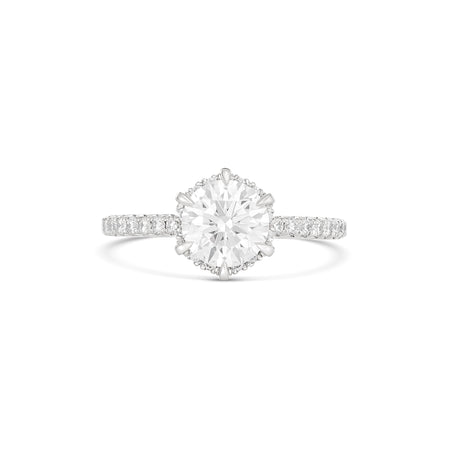
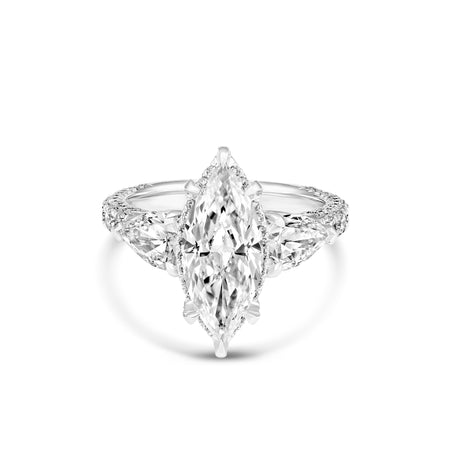
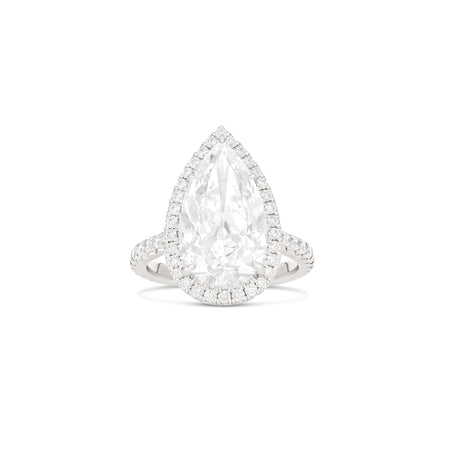
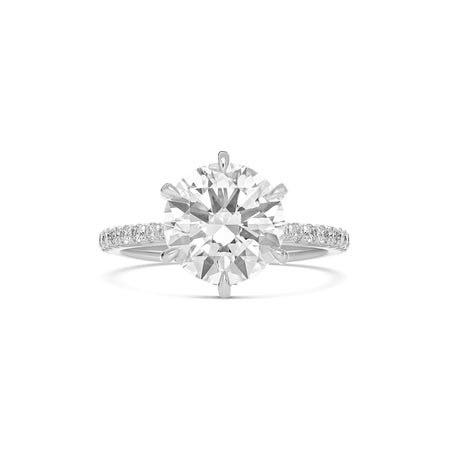
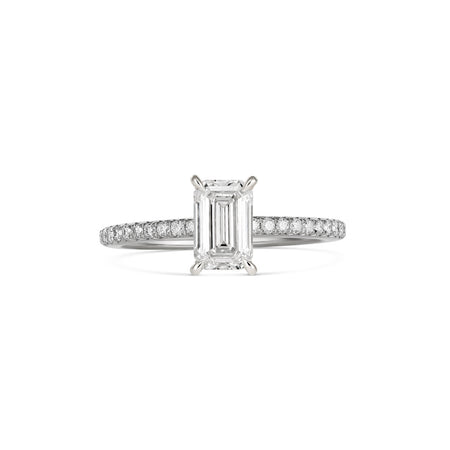
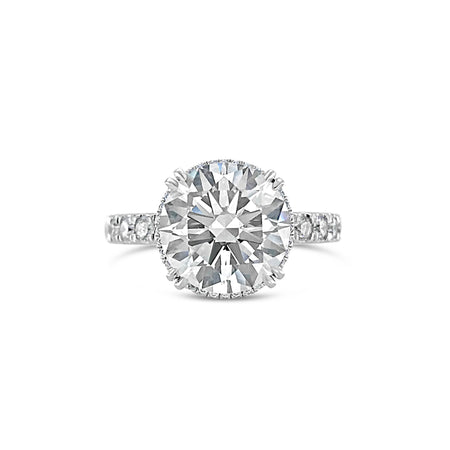
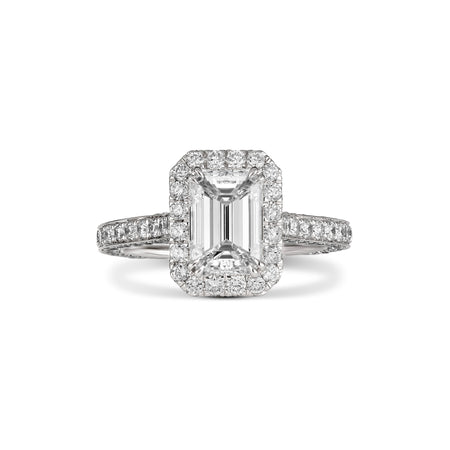
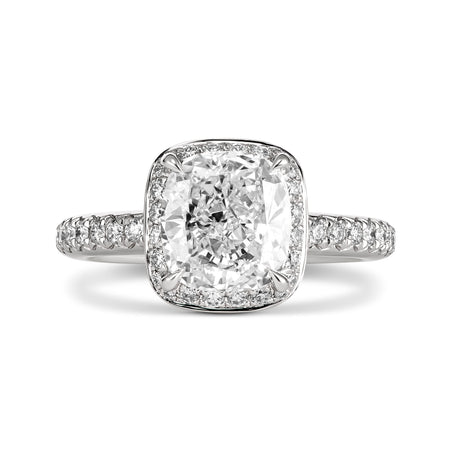
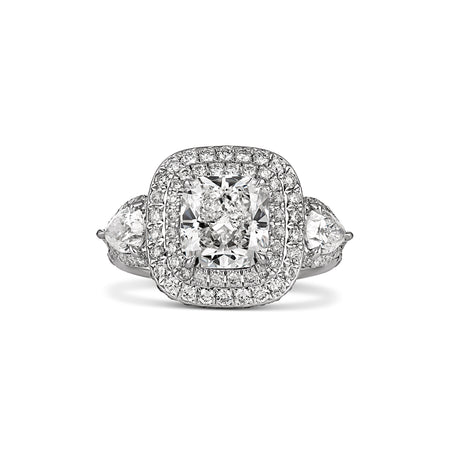
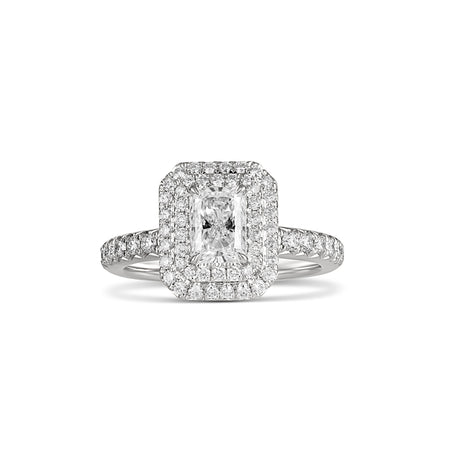
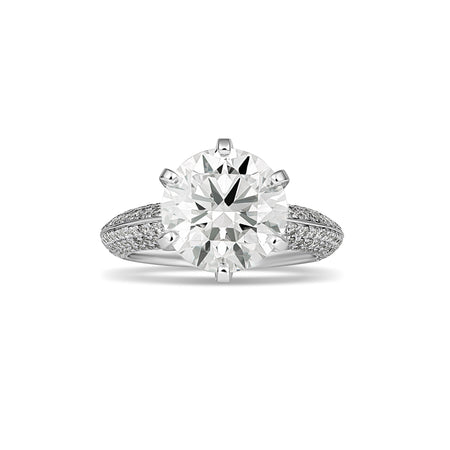
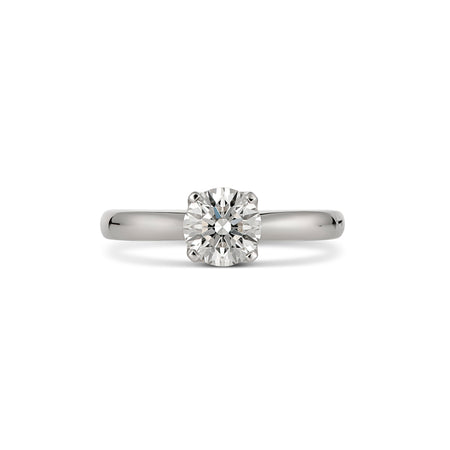
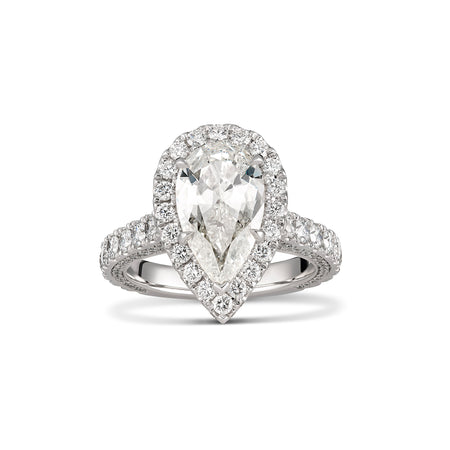
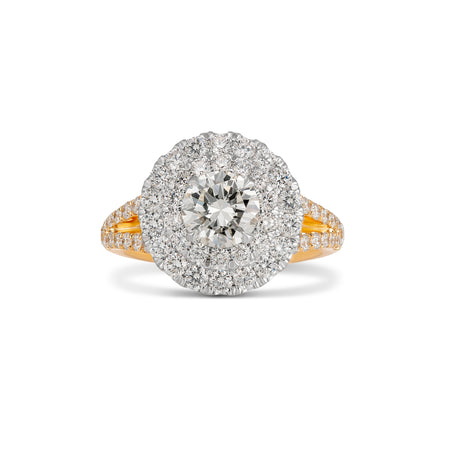
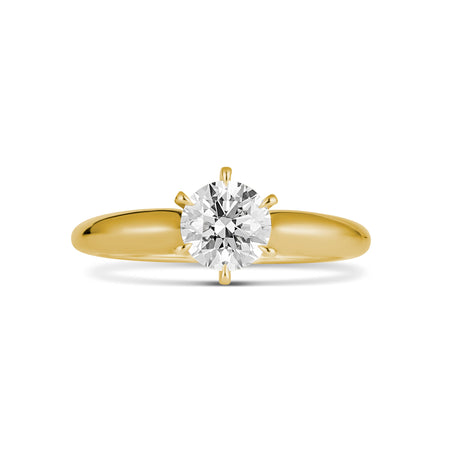
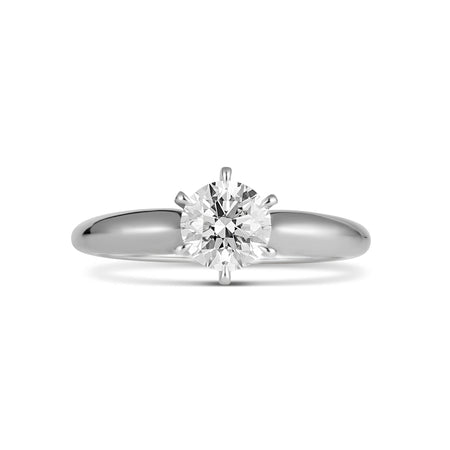
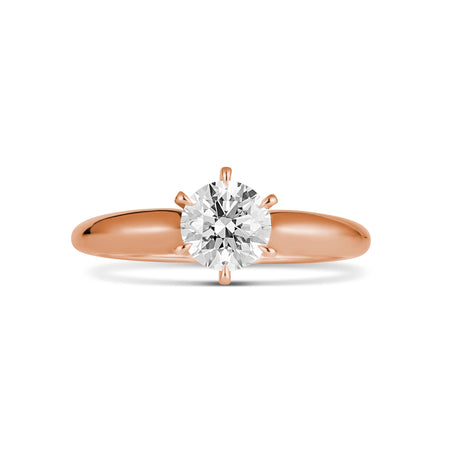
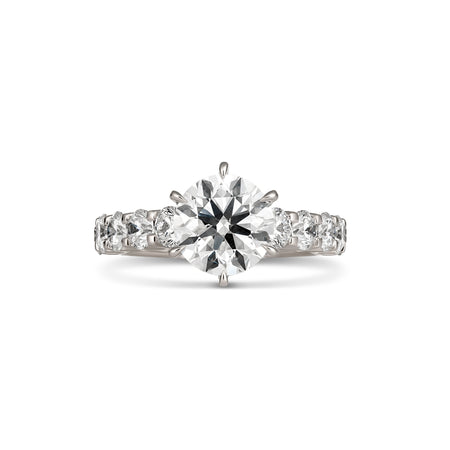
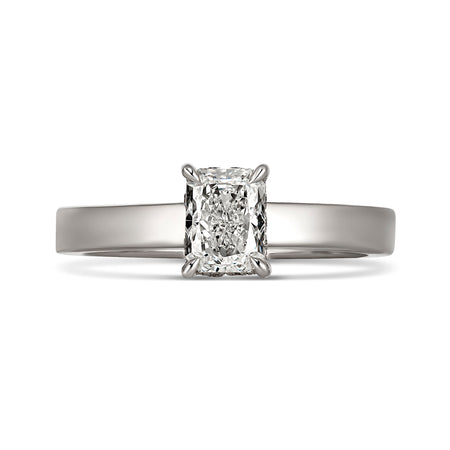
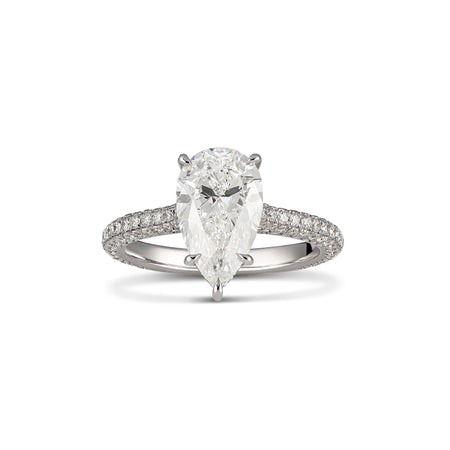
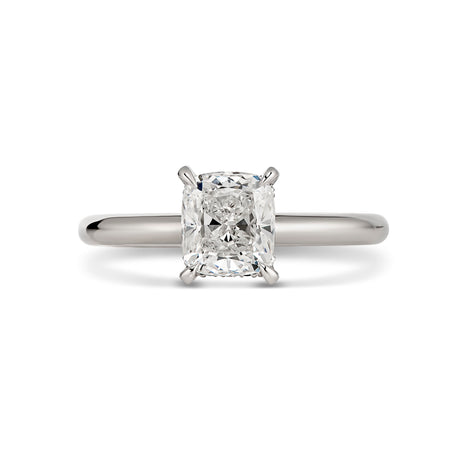
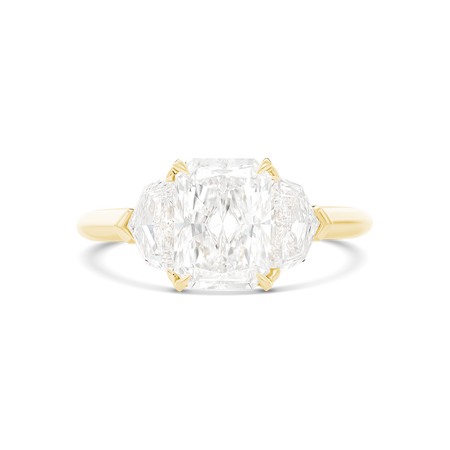
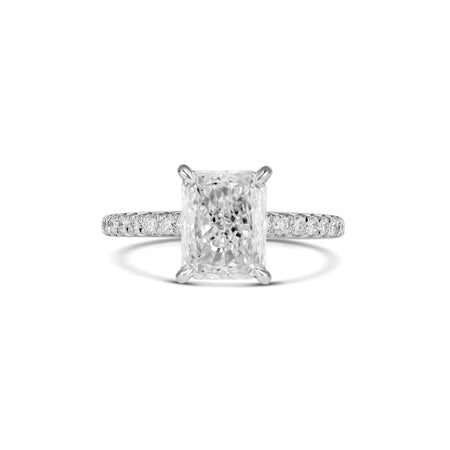
Find your signature at ANTON
Explore ANTON’s natural diamond collection to understand how cut, colour, clarity and carat work together to shape a diamond’s presence. Decide which qualities matter most to you, whether that is light performance, scale or a specific silhouette.
Visit our Chadstone boutique or book a private consultation to discover the diamond that aligns effortlessly with your personal style.
Diamond 4 C’s FAQs:
Which of the 4 Cs is the most important in diamonds?
Cut is usually considered the most influential of the 4 Cs because it determines how well a diamond reflects light and how much brilliance it shows. Many people prioritise cut for this reason, although the most important characteristic overall depends on individual taste and the look you want to achieve.
What is a certified diamond?
A certified diamond has been formally assessed by an independent gemological organisation such as GIA. Each diamond is evaluated for cut, colour, clarity and carat weight, with its proportions and clarity characteristics documented. All ANTON diamonds come with certification for complete confidence in quality and authenticity.
How much does a diamond cost?
Diamond prices vary widely depending on rarity and quality. Higher grades in cut, colour and clarity or larger carat weights increase value because these features are less common. This is why natural diamonds are generally rarer and, naturally, more expensive than their counterparts.
What is the rarest diamond colour?
D-colour diamonds are the rarest within the standard colour scale from D to Z. In the world of fancy coloured diamonds, the rarest hues are vivid red and strong orange, both extremely uncommon. These colours are sought after for their intensity and remarkable natural scarcity.